Hospital Bed Systems and Patient Safety
BED 101 provides an in-depth understanding of the various types of medical beds commonly found in healthcare settings. Students will explore the mechanical and electrical systems, including robust bed frames, articulation mechanisms, braking systems, and patient-restraint devices. The course covers the integration of power supplies and intuitive hand controls, emphasizing diagnostic procedures for common malfunctions. A significant portion of the curriculum is dedicated to identifying and mitigating potential patient safety hazards, such as entrapment risks associated with bed system components. Through theoretical instruction and practical laboratory sessions, students will develop the core competencies required for the inspection, servicing, and troubleshooting of these vital pieces of patient care equipment, ensuring optimal functionality and safety.
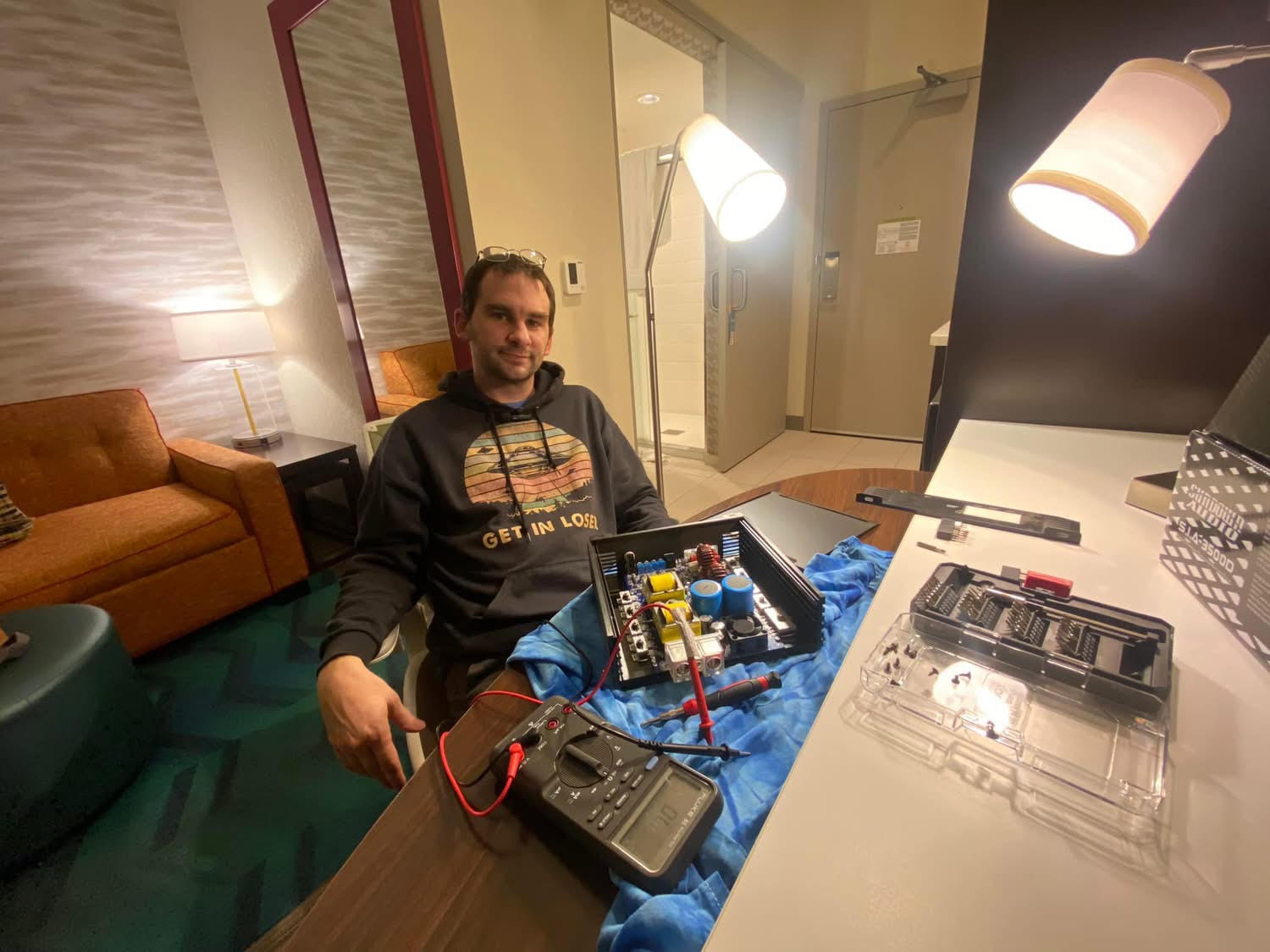 InstructorJacob Calhoun
Course outline
Lectures, virtual labs, and graded assignments — completed in your browser.
Syllabus
["Week 1: Introduction to Medical Bed Systems and Classification","Week 2: Bed Frame Structures and Material Science","Week 3: Articulation Mechanisms: Motors, Actuators, and Linkages","Week 4: Lab: Articulation System Disassembly and Inspection","Week 5: Braking Systems: Types, Function, and Maintenance","Week 6: Side Rails and Assist Devices: Design and Safety Standards","Week 7: Power Supplies: AC/DC Conversion and Battery Backup Systems","Week 8: Lab: Comprehensive Bed System Diagnostics (Midterm Review)","Week 9: Hand Controls and User Interfaces: Wired and Wireless Systems","Week 10: Entrapment Zones and Prevention Strategies","Week 11: Lab: Entrapment Hazard Assessment and Mitigation","Week 12: Preventative Maintenance Schedules and Documentation","Week 13: Troubleshooting Common Mechanical and Electrical Faults","Week 14: Capstone Service Project: Full Bed System Overhaul"]