Clinical Laboratory Instrument Fundamentals
LAB 101 provides a comprehensive overview of clinical laboratory instrumentation, focusing on the critical aspects required for effective service and maintenance. Students will learn about the journey of a specimen from collection to result, emphasizing proper handling, storage, and biosafety regulations to ensure both technician and patient safety. The course delves into the fundamental measurement principles employed across various analytical platforms, from optical and electrochemical methods to particle counting. A significant portion is dedicated to understanding typical analyzer architectural components, including fluidics, optics, electronics, and software interfaces, preparing students to diagnose and troubleshoot common instrument issues with a vendor-neutral approach. Hands-on laboratory sessions reinforce theoretical knowledge, building practical skills essential for a successful career as a clinical lab analyzer service technician.
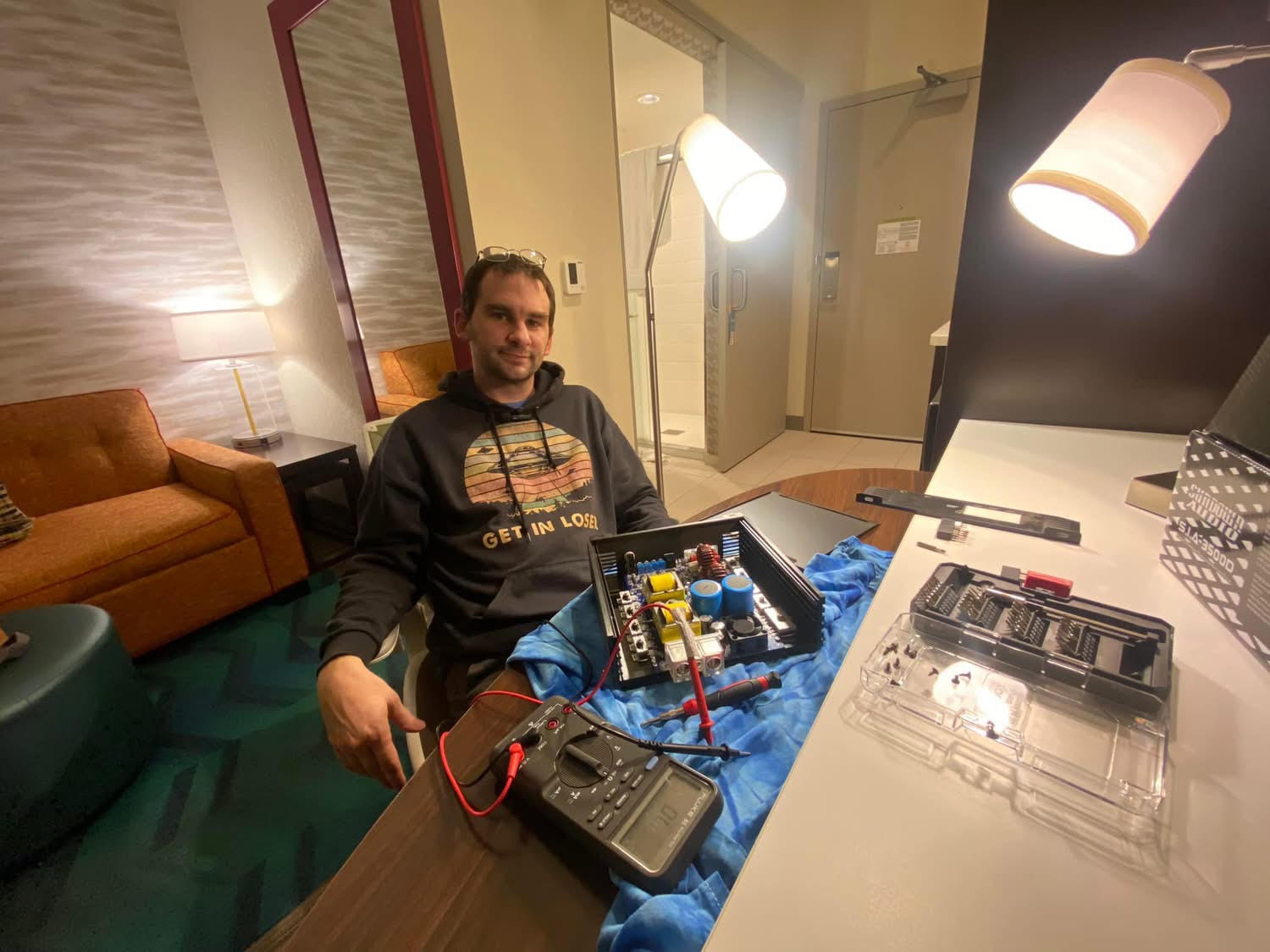 InstructorJacob Calhoun
Course outline
Lectures, virtual labs, and graded assignments — completed in your browser.
Syllabus
["Week 1: Introduction to Clinical Lab and Service Role","Week 2: Specimen Collection and Pre-Analytical Processing","Week 3: Specimen Handling and Storage","Week 4: Hands-on Lab 1: Specimen Handling","Week 5: Biosafety and Waste Management","Week 6: Optical Measurement Principles","Week 7: Electrochemical Measurement Principles","Week 8: Hands-on Lab 2 & Midterm Review","Week 9: Particle Counting Measurement Principles","Week 10: Fluidics and Pneumatics Systems","Week 11: Hands-on Lab 3: Fluidics Inspection","Week 12: Optical and Detector Systems","Week 13: Electronic and Software Interfaces","Week 14: Capstone Service Project"]